Austin, TX · 30.27°N 97.74°W
EST. 1996 — UNDERGROUND
Dyson Hope.
Electronic music producer, DJ, and founder & label boss of SIGIL.ZERO Records. Three decades inside underground dance culture — techno, house, breaks & bass, built for physical spaces.
Selected Work

Drums in the Deep
Bass-heavy tech house built around pressure, repetition, and controlled tension — low drums moving through dark space.
Listen ↗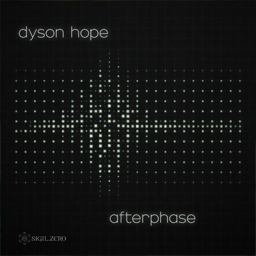
Afterphase
Stripped-down progressive tech house — deliberate, spacious, built for late-night momentum.
Listen ↗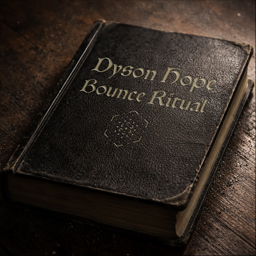
Bounce Ritual
Movement encoded — a swinging, body-first groove shaped for pressure, release, and collective motion.
Listen ↗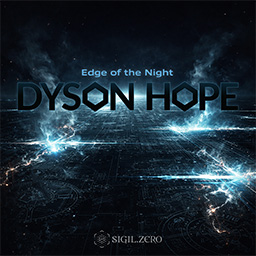
Edge of the Night
Progressive tech house in a peak-time form — melodic lift, forward drive, a clean sense of acceleration.
Listen ↗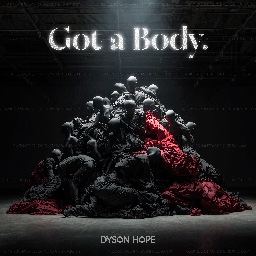
Got a Body
Dark, sweaty, hypnotic tech house for the moment the lights drop, the room tightens, and the groove takes control.
Listen ↗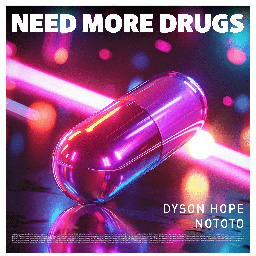
Need More Drugs
A collaborative breakbeat transmission with NOTOTO — expanding through house, techno, and broken-rhythm reinterpretations.
Listen ↗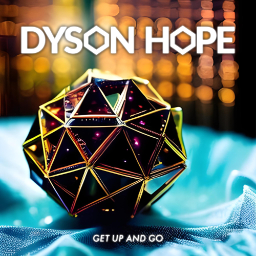
Get Up and Go
A full pivot into house music — warmer systems, longer grooves, and a more restrained sense of movement.
Listen ↗
At Your Own Risk
Emerged on the Winter Solstice — a full-length document assembled from years of sketches, recovered drives, and accumulated signal.
Listen ↗
◆ Full catalog & back-archive on SIGIL.ZERO
View Discography →

About
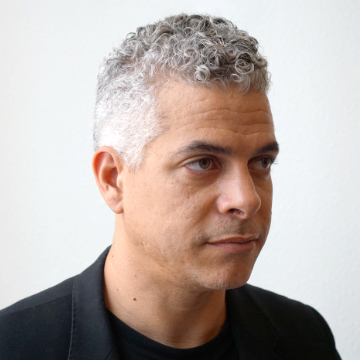
DYSON HOPE — PRODUCER / DJ
Shaped by three decades inside underground dance culture — late-night FM radio, LA warehouses, afterhours rooms, European floors, and modern festival systems.
His sound moves through techno, house, breakbeats, and bass music with a focus on hypnotic groove design, low-end pressure, and functional records built for physical spaces — direct, atmospheric, body-first.
Founder of SIGIL.ZERO Records, an independent imprint dedicated to disciplined, DJ-first underground releases.
♥ Dyson Hope
2016
Austin
Home crystallized during a rooftop techno set over downtown.
2013
Nomadic Years
London · Berlin · Barcelona · Istanbul. Different rooms, different tensions.
2003
Warehouses to Clubs
The music migrated; the underground energy stayed intact.
1996
FM Radio
WRCT 88.3 Pittsburgh — architecture and transmission at once.
Performance & Production
● Bookings open
Let’s talk.
Domestic & international. Get in touch directly.
- Clubs
- Festivals
- Rave / Warehouse
- Direct Support
- Collaborative Productions
- Remix Work
- Promo / Industry
Schedule
◆ Studio booking
Book the studio.
Recording, production, mixing, and mastering services.
- 2 hours
- 3 hours
- 4 hours