Advice for New Producers
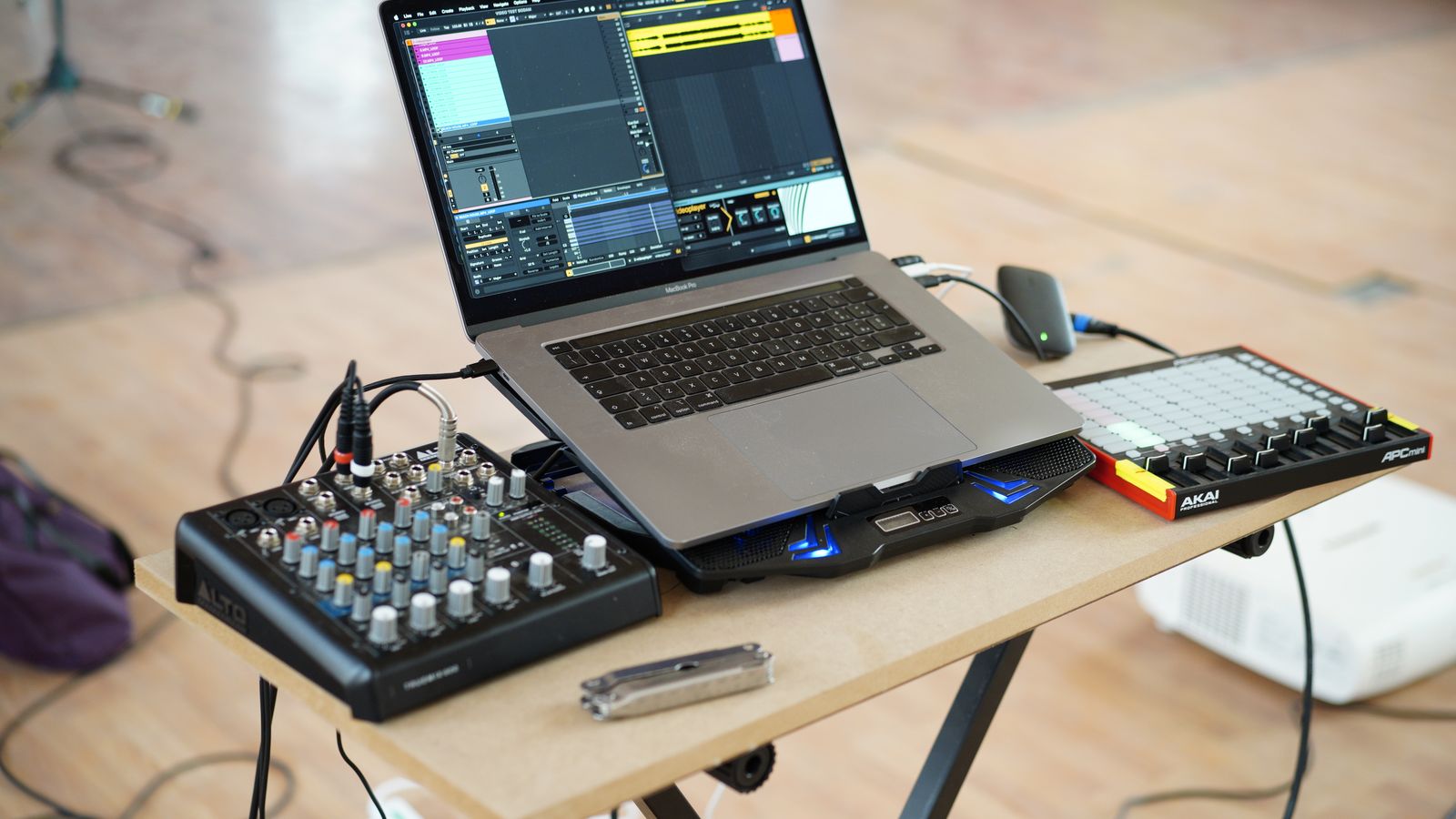
There are a few things I wish someone had told me when I was starting out. Not technique — technique you'll find anywhere. These are the things underneath it, the habits that decide whether you actually get anywhere.
The first one is to separate making sounds from making songs. They feel like the same job, and they aren't. Making sound is finding your raw material — an evening spent turning knobs on a synth, saving presets as you go, mixing up the paints you'll eventually paint with. That's not a warmup before the real work; it is the real work, every bit as valuable as assembling a track. You need those raw materials, and those late-night noise sessions are where they come from. Making songs is the other thing entirely: turning those sounds into a composition. It uses a different part of your brain, and if you let the two bleed together, you'll be mid-flow in a writing session, dip into building the perfect patch for one part, and look up four hours later with your momentum gone and no song. Keep them in separate sessions. The same goes for mixing and mastering, while we're at it.
The second is to go deep on a few tools instead of skimming across all of them. Pick one DAW and one or two synths and actually master them. Like really master them. There are more competing DAWs out there than anyone could ever use, and the temptation is to keep chasing the next one — but fluency beats variety every time. When you know a tool cold, your ideas come out without the technical friction getting in the way, and that's the whole game. Get genuinely comfortable somewhere first. You can always widen out later, add synths, try other DAWs if you want, but you want a home base you can return to when you just need to work fast and not think about the software at all.
The third is the one that's easiest to waste, because it expires. When you're new, there's this explosive, rule-free creativity — nothing you do is wrong, it's all experiment, all play, all making for the pleasure of making. That feeling is fleeting. Don't overthink it while you have it. Don't worry yet about whether anything's good. The single best thing a new producer can do is make a lot of material — a lot of it — and let the standards catch up later. You've got a whole lifetime to sweat the details.
So that's the bottom line, and it's the only one that really matters: create, and don't stop creating. The details will sort themselves out in time. When you're new, the job is just to make things, as many as you can, every day you can.