Facing the Crowd: A Short History of the DJ
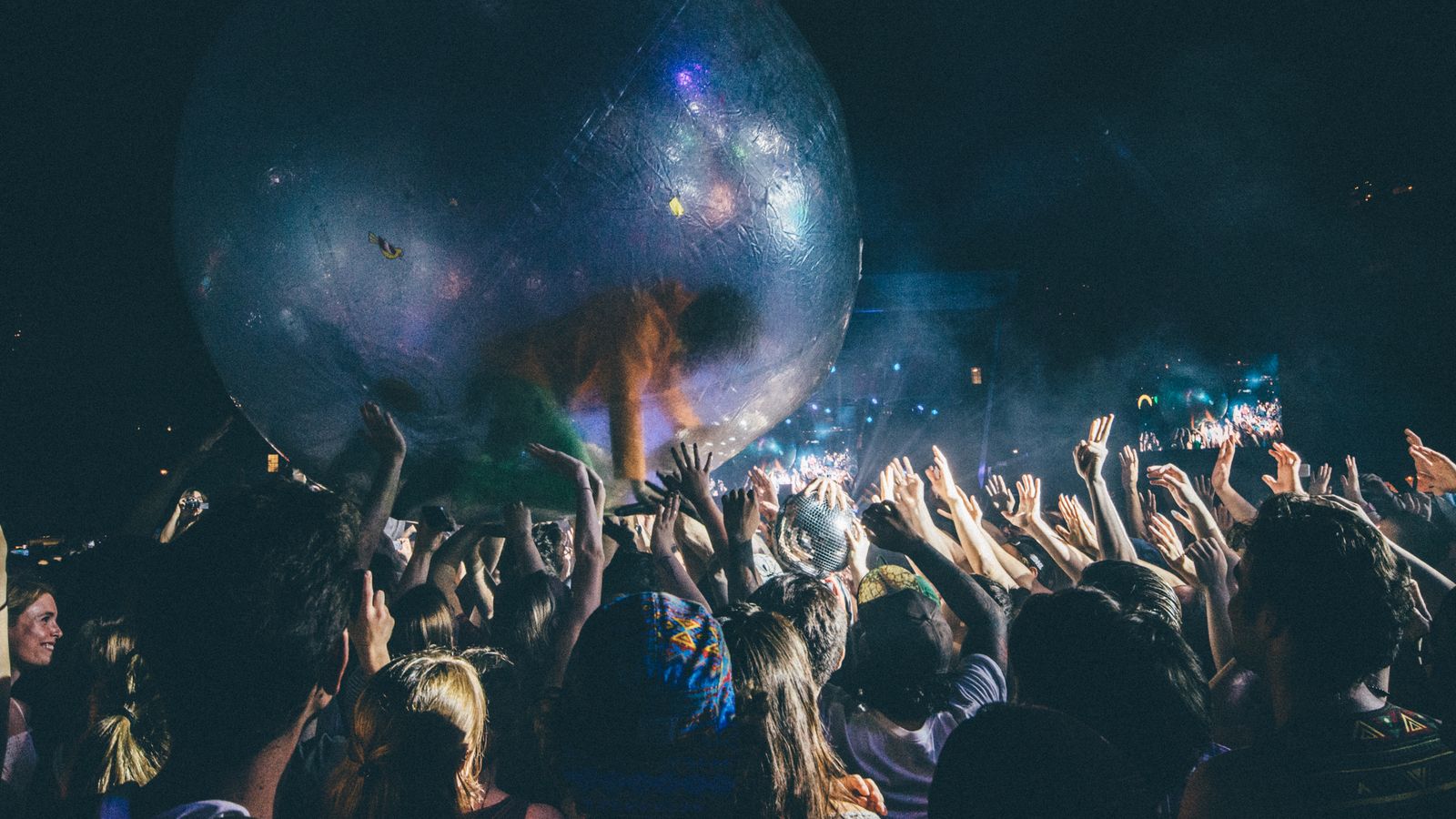
The single biggest change I've watched happen in thirty years of doing this has nothing to do with the music, the technology, or the size of the rooms. It's the direction the room is facing.
I started in 1996, playing jungle on college radio, on pirate radio, and at raves — legal ones, semi-legal ones, and the kind where the whole plan was "we're probably getting busted." I was part of a crew that threw parties as much as played them. Raves were where I lived until around 2002, when the Southern California scene shifted, and it got easier and steadier to get booked in clubs and bars, which had finally warmed up to dance music in a way they hadn't just a few years before. Later, I moved into a more eclectic spread of electronic music, and these days I split time between straight DJing and something closer to live PA performance, weaving my own tracks in with other people's across every shade of bass-heavy dance music.
So I caught the tail end of something. In the mid-90s, in that original rave moment, the party wasn't about the DJ at all. The DJ was a piece of furniture that happened to be making the sound. The attention pointed inward, at the dancefloor, at each other — not forward, at a booth. The energy in the room was something the crowd generated, and the crowd kept going. The person playing records was in service to that, not the cause of it.
Watch a big mainstream event now, and you'll see the room has turned ninety degrees. Everyone faces front. The energy points at one figure up on a riser with their hands in the air, and the crowd's job has quietly become receiving rather than making, or worse yet, filming it on their phones instead of being present in the moment. That's the shift. Not better gear, not worse music — a reorientation of where the magic is understood to come from. We moved it from the floor to the stage and mostly stopped noticing we'd done it.
I don't tell that story as a complaint, and I'm not interested in being that guy complaining, "it was better in my day." The reason it's worth knowing is that it tells you something true about crowds and rooms that extends well beyond dance music: a room full of people can be pointed at each other or pointed at a stage, and that single choice changes what the gathering is for. One version asks you to participate. The other asks you to watch. Both can be thrilling, but they're not the same experience, and the difference is almost never in the program — it's in the architecture of attention.
Which is also why I'm not mourning anything. I moved to the UK, then to a smattering of places across Europe, then back to the US, and I'm happy to report that the underground all over is alive and loud, with fresh illegal rave scenes that feel as vital and inward-facing as the one I came up in. Now that the general public has taken commercial dance music to heart, the part that points at itself instead of at a star has quietly come back around. A whole new turn of the cycle is underway, and the underground is underground again. It's a magnificent time to be alive.