Rave Revolution: How UK + US Laws Shaped Underground Dance Culture
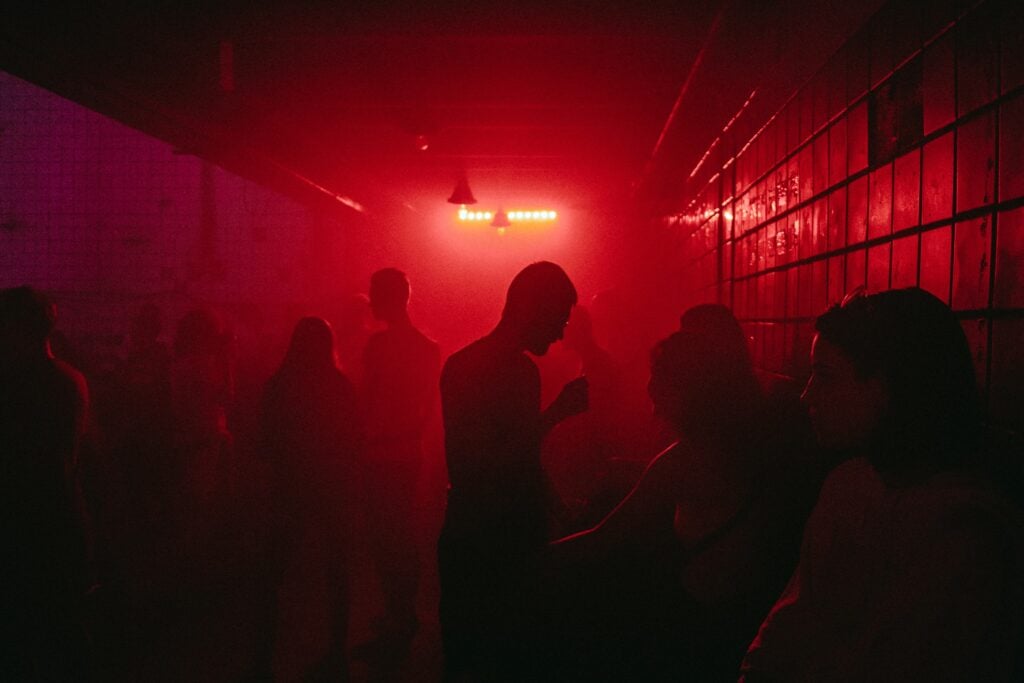
In London's Second Summer of Love in 1989, Wayne Anthony stood outside a warehouse in his best suit, handing a police officer a business card claiming he was a record executive and claiming he had legitimately rented the warehouse for a record label party. Pounding acid house music and laser lights were pouring out of the warehouse. He lied.
Almost a decade earlier, groups of black artists that performed at predominantly gay clubs in Detroit and Chicago invented techno and house music, respectively. The sound and culture went global quickly, with people throwing techno and house parties wherever possible.
In some cities like Detroit and Chicago, nightclubs accommodated their burgeoning underground dance music scene. In places without amenable nightclubs, people repurposed other spaces to rave in, from warehouses to farm yards, whatever they could access, often without asking permission from the property owner.
Early raves attracted people with renegade spirits because they were illegal, with people violating licensing rules and using banned substances.
For a few hours, the limitations of the outside world didn't apply, your consciousness was limited only by your imagination, and if you were able to endure the experience with the others raving alongside you through the night and into the morning, your reward would be a collective bond that'll be imprinted on your psyche forever.
By the late 1980s, acid house promoters in the UK like Genesis, World Dance, Helter Skelter, Sunrise, and Energy started breaking into warehouses and trucking speakers out to fields across the greater London metropolitan area, throwing illegal acid house parties.
In the grim face of the 1980s UK economy, with two recessions caused by deliberate action, record-high unemployment, policy changes that alienated the working class, and growing wealth inequality, Britons were eager to find a reprieve.
Acid house parties started with fewer than 300 attendees. Within a couple of years, the largest ballooned to 15,000 people as raving grew in popularity, with people seeking escape from the mundane and a celebration of music, peace, and unity.
Specialized industries emerged to capitalize on the growing popularity of the culture, further mirroring the rave scene's transition from underground secret society to ordinary youth culture business.
These companies helped cement raving into our collective consciousness by marketing clothes, toys, music, and paraphernalia to ravers and people who wanted to adopt ravers' style. As raving commercialized, so did the places where people raved.
What started in illegal break-in venues shifted to secret remote outdoor locations, then moved into private clubs and after-hours venues, eventually finding a home in large stadiums and fairgrounds with off-duty police security, all of which accompanied a shift in raves from illegal underground activity to a (sometimes, but not always) legal and permitted expression of music culture.
The 1980s: The Underground's Explosive Growth
In the late 1980s, the rave scene faced numerous obstacles in England and the United States. Local authorities and residents expressed concerns about these underground events' noise, safety, and drug use. The secretive and often illegal nature of raves only fueled their notoriety and added to the growing stigma surrounding rave culture.
One tradition that some promoters keep alive even today, though out of a sense of legacy or novelty more than necessity, is keeping the venue location a secret. Historically, the people who threw raves rarely promoted them in open media.
Instead, promoters printed a city's name and a phone number for additional information on slickly designed, inexpensive flyers to distribute in record stores and clothing shops, at other rave parties and clubs, and once people started getting online, on rave internet sites.
The location of the rave often would be given to the caller over the telephone. Some promoters used a second layer of secrecy by providing only a "map point" – a location for ravers to go to the night of the rave to learn the actual site.
By 1987, acid house was a well-established part of British culture.
By the thousands, young people flocked to the festivals like the Sunrise Festival and Castlemorton Common Festival in the UK, attracting national attention via tabloid newspapers and broadcast news.
While ravers cherished unity and freedom, politicians drummed up votes by opposing them. Authorities struggled to manage these gatherings, leading to significant disruptions in rural areas and prompting the government to take action.
These events weren't simply a few people gathered around a bonfire with speakers and some turntables; promoters brought out large, powerful sound systems and intense lighting effects to these events, setting the tone for what would become the standard expectation for raving.
Initially, the police took a relatively lenient approach to managing these parties; things changed when journalists from The Sun infiltrated an 11,000-person rave in an abandoned aircraft hanger in Berkshire.
The next day, a "drug crazy acid party" was front-page news, sparking moral outrage across Britain and demanding heavier policing.
After the article in The Sun reported that rave promoters were making huge profits by throwing underground dance parties, Wayne Anthony and his two friends, better known as the rave promoter Genesis, became targets of both the UK government and the criminal underworld.
The Genesis organizers and other successful promoters were kidnapped and extorted by gangsters for protection money. Later, the UK government labeled acid house parties "Public Enemy No.1" and created policies to suppress them.
With those two blows, the UK rave scene got pushed further underground for the first time, warehouse break-in parties had come to an end (for the time being), and promoters ventured farther out into the countryside to look for venues farther away from the long arm of law enforcement, and taking more significant measures to keep their events and operations secret.
The 1990s: Introduction to the Mainstream
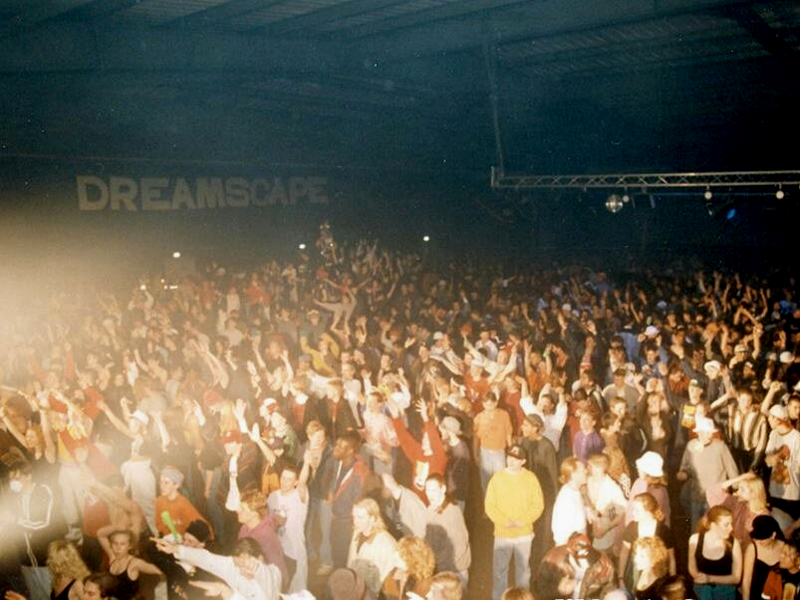
Rave parties and clubs were in most United States metropolitan areas by the early 1990s. The crowd got younger – fewer young adults and more teenagers entered the scene as a new wave of rave culture emerged. Events became highly promoted, heavily commercialized, and less secretive.
In the '90s, US and UK media sensationalized drug-related incidents at raves, causing public panic and forcing many venues to ban dance music events altogether. Local governments viewed raves as unregulated gatherings that bred drug use and illegal activities.
Cities nationwide began implementing "anti-rave" ordinances, which targeted dance music events, making it increasingly difficult for promoters to find suitable venues.
In 1990, the UK Government passed the Entertainment (increased Penalties) Act, allowing fines of up to £20,000 for hosting illegal raves or parties. Organizers worked to sidestep this law by keeping the location of an event a secret until the very last minute.
Ravers would gather at service stations and wait for details to be broadcast on a pirate radio station or for promoters to update a voicemail recording of a secret "party line" phone number with directions.
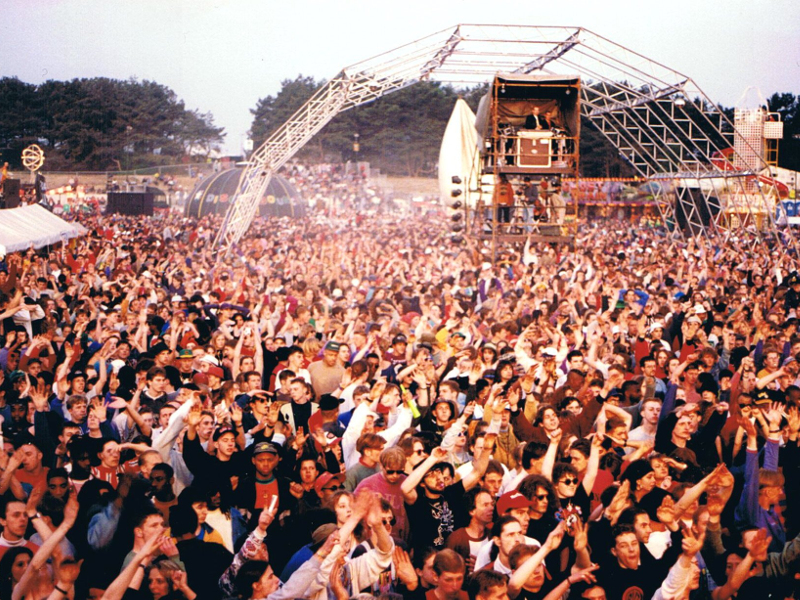
The first real test of the new act started with an answering machine message inviting revelers to a weekend-long free festival at Castlemorton Common in Worcestershire in 1992. Thirty-five thousand people came, making it the most-attended illegal rave in UK history. The police were powerless to shut it down.
The media interest and controversy surrounding the event, and concerns regarding the police's inability to stop it, inspired the legislation that would lead to the passage of the Criminal Justice and Public Order Act two years later.
The Criminal Justice and Public Order Act gave law enforcement more teeth: police had sweeping powers to shut down any gathering of 100 or more people where music was played and "characterized by the emission of a succession of repetitive beats."
The act directly responded to the rave culture's meteoric rise, effectively outlawing the outdoor parties and festivals essential to the scene.
The official suppression of raving wasn't unique to the UK. Both legal and illegal raves popped up nationwide in the U.S. in the early 1990s, especially in San Francisco and Los Angeles. Events like Rave America's "K-Rave '93" near Los Angeles drew more than 17,000 people.
A few years later, the US Department of Justice (DOJ) published a document that described raves as "an exploitation of American youth…characterized by high entrance fees, extensive drug use, exorbitantly priced bottled water, very dark and, often dangerously overcrowded dance floors, and 'chill rooms,' where teenage ravers go to, cool down and often engage in open sexual activity.
Moreover, many club owners and promoters appear to promote the use of drugs–especially MDMA. They provide bottled water and sports drinks to manage hyperthermia and dehydration; pacifiers to prevent involuntary teeth clenching; and menthol nasal inhalers, chemical lights, and neon glow sticks to enhance the effects of MDMA." The DOJ held a dim opinion of ravers.
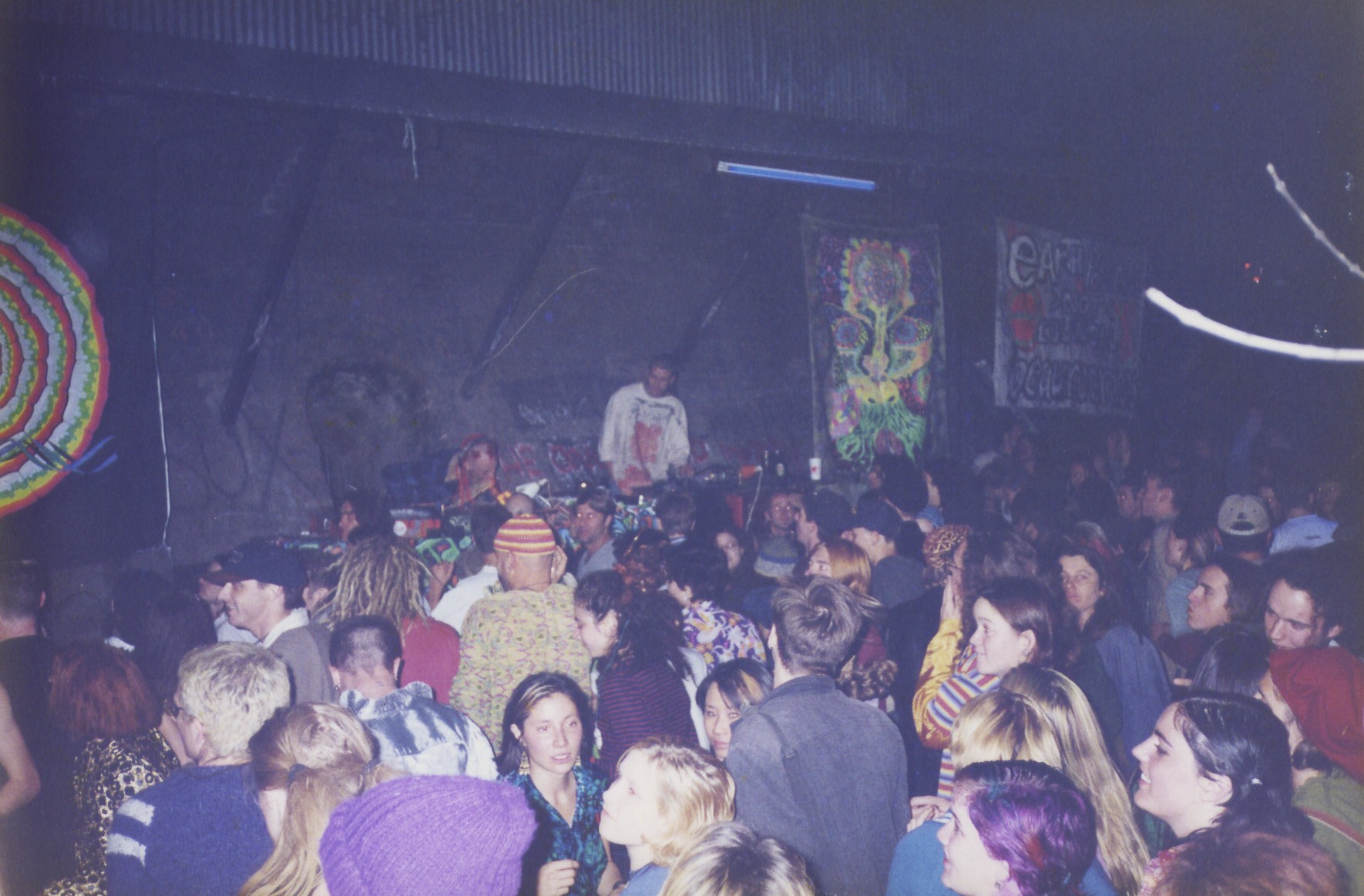
The rave community's frustration grew as the crackdown intensified. Despite these challenges, ravers remained resilient, organizing more underground events in abandoned warehouses and remote locations and adopting a "DIY" approach to keep the spirit of rave culture alive.
Carl Loben, Editor of DJ Mag, said he lived in Hackney (in London) during the 1990s, and a party happened every weekend. However, during times of high opposition, they became underground and private, unlike some of the earlier massive outdoor events.
Loben also shared that the organizers would pride themselves on ensuring an event was always happening, despite the legislation, in line with their renegade spirit.


The 2000s: Two Paths to Mainstream Acceptance
The UK Eased Restrictions
Despite the initial crackdowns, the passion for rave culture persisted, and it found a way to flourish under evolving regulations.
In 2003, the Licensing Act introduced a new licensing system for entertainment venues in England, making obtaining licenses for hosting events easier for clubs and promoters. This regulatory shift marked a turning point for the rave scene, enabling more legitimate and regulated gatherings.
With the new licensing system in place, clubs and organizers could now operate within the confines of the law, providing a safer environment for attendees. This change reduced the prevalence of illegal raves and allowed the rave culture to become more accepted and integrated into mainstream entertainment.
The eased restrictions led to "established" music festivals such as Glastonbury and Creamfields booking dance music artists, helping drive acceptance of raves in England's shared culture, not just the counter-culture. These festivals offered a platform for artists and fans to come together legally, highlighting the growth of the appeal of electronic dance music in the UK.
The US Passed More Restrictive Laws
At the same time as UK's Licensing Act illuminated a pathway to legal raving, the US doubled down on cracking down.
Data from the Drug Abuse Warning Network (DAWN) shows a nearly threefold increase in hospital records mentioning MDMA between 1998 and 1999; in an attempt to focus on a growing panic about the "ecstasy epidemic," then-Senator Joe Biden proposed the RAVE Act (an acronym for "Reducing Americans' Vulnerability to Ecstasy") in 2002.
The bill was retooled as the Illicit Drug Anti-Proliferation Act and enacted in 2003, though it was still commonly called the "RAVE Act."
The RAVE Act targeted event organizers and venue owners, holding them liable for any drug-related incidents that occurred at their events, even if they were unaware of such activities.
While the RAVE Act aimed to address drug issues, it inadvertently led to the closure of many rave venues and forced the scene further underground. The legislation had a chilling effect on the ability to legitimize raves and make them safer, pushing them further underground.
Critics have pointed to the law as a contributor to several deaths at electronic music festivals and nightclubs since its passage, arguing that the law prevented the implementation of drug education and the provision of facilities that would have saved the victims' lives.
For a while, the US crackdown on raving appeared to put a dent in corporate investment in the electronic music event scene in the United States, causing a schism along the lines of commercial appeal.
The genres with greater pop-crossover appeal moved from raves to nightclubs, stylistically becoming slicker, more commercialized, club-friendly, and familiar to ordinary clubbers, not just ravers, as they got played in discos and car commercials across the country.
This transition underpinned the integration of dance music aesthetics in modern pop, hip hop, and R&B. Meanwhile, the less "pop-friendly" genres were frozen out of the club scene, left without rave venues, and had no choice but to move further underground, leading to a creative renaissance that triggered an explosion of genre proliferation that underpins modern bass music and left-field beats.
The RAVE Act sparked a fierce debate among the dance music community and civil liberties groups. Critics argued that the legislation unfairly scapegoated organizers and hindered harm reduction efforts. As a result, some artists and activists organized protests and educational campaigns to raise awareness about the potential consequences of the act.
Despite these challenges, the rave community in the United States persevered, finding creative ways to continue hosting events. Many promoters collaborated with organizations dedicated to rave safety and health to implement measures such as free water stations and drug education initiatives. The underground rave scene remained vibrant, despite the legal hurdles.
.jpg)
Safety Measures and Harm Reduction
As the years passed, perspectives toward rave culture started to shift. The EDM community, recognizing the need for safer events, began implementing harm reduction strategies, such as drug testing services, to prevent consuming contaminated substances.
Event organizers and promoters collaborated with local authorities to ensure better safety measures and responsible partying. Members of private drug education and drug testing organizations, called "harm reduction organizations," have appeared at raves over the past ten years.
They attend rave events to test samples of illegal drugs so they can inform ravers of purity levels. Members of these organizations believe that they help reduce the number of overdoses by educating users on the physical effects of specific drugs.
Conversely, many law enforcement agencies believe that the practices of harm reduction organizations encourage drug use, and they support their position with national statistics that show an increase in club drug overdoses as harm reduction organizations have become more active.
The increased focus on safety and harm reduction has been crucial in reshaping the image of raves in both the US and England. These measures have played a vital role in creating safer environments for attendees, from designated chill-out areas to on-site medical teams.
Additionally, initiatives like DanceSafe have provided drug testing services at some events to prevent harmful substances from entering the scene.
Today, harm reduction organizations play a pivotal role in helping address issues arising from the explosive growth of fentanyl, which is not considered a "rave drug" but is a potentially-deadly contaminant unfortunate ravers may find in their rave drugs.
The Future of Rave Legality
Many communities in the US and UK have relaxed their stance on raves, recognizing their cultural and economic significance. England continues to embrace the vibrant dance music community, realizing its positive impact on tourism and cultural identity. The broad commercial success of rave-influenced music contributed to normalizing attitudes about raving.
However, the COVID-19 pandemic had an unforeseen impact on the rave scene. Quarantine measures temporarily put large gatherings on hold, and virtual events became the norm.
Despite these challenges, the resilience of the dance music community shined through as they adapted, finding innovative ways to connect through music: legal ways like virtual raves and illegal in-person raves that embraced their underground renegade spirit, regardless of restrictions on gathering.
Wrapping Up
Raves grew from small, intimate origins in the early 1980s, becoming commonplace in major US and UK cities by the mid-1980s. There were London raves larger than any single London nightclub by 1987.
All-night raves scheduled almost every weekend with fair weather drew thousands of people to large, open fields on the outskirts of the cities like London, San Francisco, and Los Angeles. The rapid growth of the rave scene attracted a lot of attention, leading to significant legal challenges in both the UK and the US.
Today raves have left an indelible mark on our collective culture, existing in legal, quasi-legal, and illegal forms, but the road to reach this balance took a lot of work.
This weekend, somewhere in the global rave scene, a group of friends will illegally repurpose a hidden corner of their urban landscape, from a disused warehouse to the space beneath a freeway overpass, as a party venue.
Elsewhere, a massive, fully-permitted fairground spectacle will draw hundreds of thousands. On both ends of that spectrum, our dance floors continue to bring people together, breaking barriers and creating harmony through the universal language of music. Keep dancing, friends.