The Dance Floor Was the Headliner
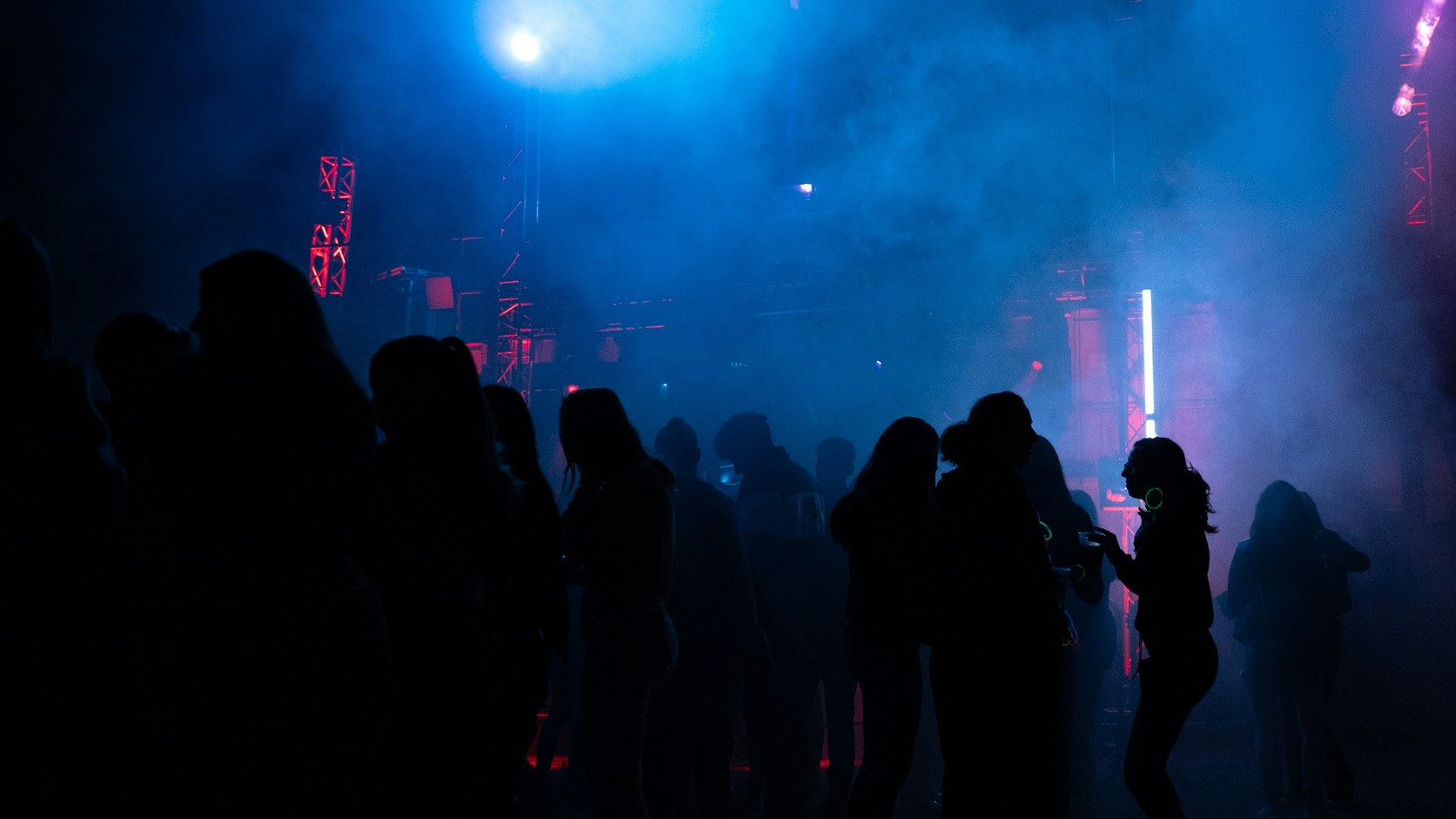
Raves get filed under escapism, and I understand why. What I found on the dance floor was a homecoming. I've gone to countless raves alone, only to find myself surrounded by strangers who felt like chosen family, and I kept uncovering parts of myself I never knew existed. There's something transformative about baring your soul on a sweaty dance floor under the pulse of strobes and lasers. Some people use a rave as a temporary retreat from the ordinary, and I won't argue with them. For me it was a place where I could connect deeply with myself and with other people, and be exactly who I was.
I came to it years after the people who built it. House started in Chicago, in Black and queer clubs, and techno came out of Black Detroit, shaped by that city's gay clubs. By the late 1980s the sound had travelled far enough that the first American raves were turning up in San Francisco and Los Angeles. I wasn't there for any of that, and I've always had a deep respect for the people who were, because their renegade spirit was the foundation of the scene I fell in love with. My first warehouse rave was raw, chaotic, and utterly perfect. The music was loud, brash, and unlike anything I'd ever heard, and what stuck with me was the sense of freedom, a feeling that in that moment anything was possible.
The biggest difference between those nights and a lot of what's sold today is where the energy went. Nobody fixated on a DJ lifted onto a stage like an idol. The focus turned inward, toward each other. The DJ was the facilitator, the person who set the mood and guided the night, and often it wasn't even clear where the DJ was, which didn't matter, because what mattered was the dance floor — that sacred space where people poured their hearts onto the concrete. What brought us back weekend after weekend was a community built out of connection, creativity, and shared experience. The attraction was us.
By the early 90s the whole thing had exploded. K-Rave '93 put around seventeen thousand people into Knott's Berry Farm in Orange County on New Year's Eve, ringing in 1993. I didn't go, but I heard about it, living in Southern California, and the awareness of this thing called "raves" was part of my experience at that time. My sister was raving in 1993, and I took her to events. I started raving three years later, and I distinctly remember the feeling that we were in on a special secret, like we'd found a hidden layer running beneath the world everyone else saw. Every generation's underground thinks it invented the underground, and in hindsight I'm sure what I felt was close to what the Flower Children felt a generation before us. The sense that we were standing in the middle of a special moment was inescapable all the same, especially in Southern California in the 1990s.
Then the law showed up. The RAVE Act was introduced in 2002, and a revised version became law in April 2003 as one section of a much larger bill, and I'll leave the legal mechanics to people who read statutes for fun. I remember what it did to the scene. It felt like a seismic shift, and it split rave culture in two. The people looking after ravers were already in the room by then — DanceSafe, a harm-reduction nonprofit, had been showing up at events since 1998, four years before the bill.
Some promoters and partygoers went legit, moving their events into bars and licensed venues. That came with strict 2 AM closing times, an influx of alcohol-fueled chaos, and a new audience of non-ravers hearing rave music for the first time. It pushed the music further into the mainstream, and it diluted the culture, stripping away some of the magic that made the scene so unique. Others dove deeper underground, into smaller, more secretive venues that echoed the renegade spirit of the earliest days. Those events were harder to find and more fleeting, and the impermanence made them mean more. Every gathering felt like a rebellion, a refusal to let go of something special. Dancing was how we preserved a culture, a world that existed outside the limits imposed on us. After the split I continued raving in the underground, but I DJed more in clubs, partly because I lived in Hollywood and it was easier to get to the local clubs than to distant illegal underground venues across SoCal.
I remember traveling in Europe in the early 2000s and being amazed that I heard house music in a grocery store. Within ten years that was commonplace in the US. Electric Daisy Carnival, which had started in 1997, and Ultra, which had started in 1999, grew into mega-festivals with dazzling stages, massive crowds, and blockbuster DJ lineups. Seeing the scene move into the mainstream was bittersweet. Festivals like EDC put the music I loved in front of a much larger audience, and I missed the intimacy of smaller events, where you could meet the DJ or stumble into a chill room and make lifelong friends. Today's mega-festivals are incredible spectacles, and they'll never quite replace the magic of those underground nights for me.
I don't go to raves as often as I used to, and the culture is still part of who I am. It's in the music I listen to and the people I connect with. When I think back, I think about the fluorescent lights, the pounding bass, and the feeling that for those few hours we had built a world where we could be exactly who we were. The venues changed, the laws changed, and the crowds got bigger. That feeling never needed a permit.