The Hardest Part of DJing
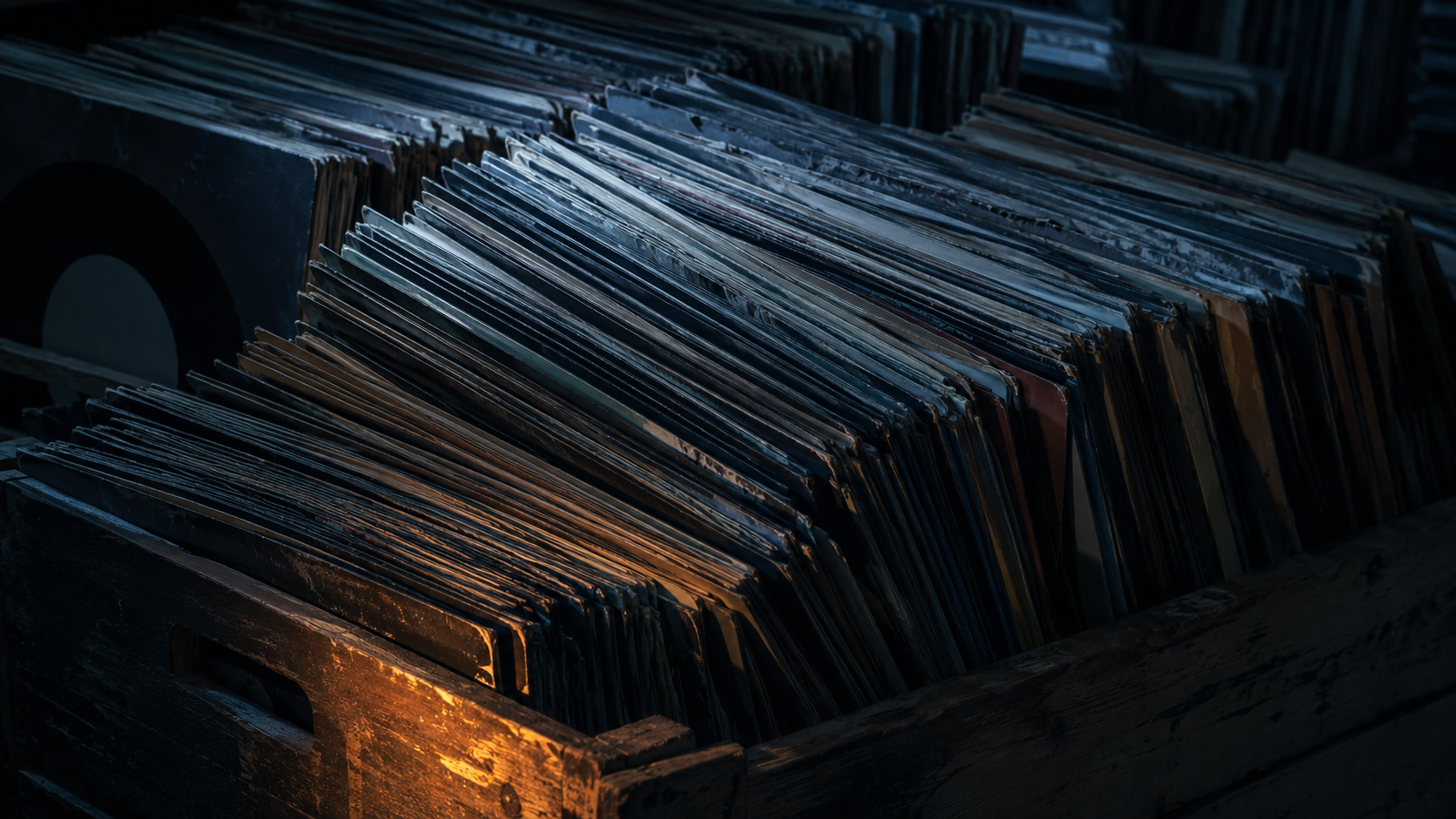
Everyone assumes the hard part of DJing is the mixing. It isn't. The hard part is a quieter problem nobody warns you about: how do you stay current with new music and know your records deeply, when those two things are pulling in opposite directions? Staying current means a flood of new tracks every week. Knowing them deeply means time you don't have. For years, I tried to win that fight by buying everything. It took me a long time to realize I was fighting the wrong war.
How I used to think
Twenty years ago, I was playing six to eight gigs a month — a weekly residency, plus raves on top of it — strictly drum & bass, strictly on vinyl. The Southern California D&B scene back then ran on a brutal clock. A track that was three weeks old was already burned out. So even with connections at the distributors and the record-store buyers, the pressure was constant, and it bred a specific kind of paranoia: buy every decent record the week it lands, because you'll need it, and next week it'll be gone. Vinyl didn't restock. Miss it, and you missed it. So I bought it all.
That mindset made sense in that world. The problem is that the world changed, but my mindset didn't. Not at first.
I stepped back from the stage to focus on the studio and started playing maybe a dozen shows a year. Maybe less. But I was still buying records like I had a gig every weekend. Then digital arrived and, weirdly, made things worse, not better. Records got cheaper — I wasn't paying ten dollars for one side of an imported vinyl single anymore — but I was suddenly exposed to far more music worth owning, across far more genres. I went from one genre to a dozen: D&B, house, tech house, dark techno, minimal, midtempo, trap, dubstep, all of it. The flood got bigger, and my old reflex — buy everything good, right now — just scaled up with it. I even looked at joining a record pool so the latest tracks in every genre would just be delivered to me automatically, so I'd never fall behind.
What changed my thinking
The shift came in the middle of the chore itself. I was doing my usual weekly ritual — parsing a stack of new singles, tagging the metadata so they'd sort into the right playlists, giving each one a real listen to get familiar with it — and a simple question landed on me: I was never going to actually play most of these for anyone else. So why was I buying them at this volume? If this music were only ever for my own listening, would I have bought fifty or sixty tracks that week, or five or six?
The honest answer was five or six. Which meant the other forty-five were "crate filler." Insurance against a scarcity that didn't exist anymore. I was running a vinyl-era survival instinct on a digital-era catalog, hoarding against a shortage that the internet had entirely abolished. This isn't vinyl. Nothing sells out. If I don't grab a record the first time I see it, it'll still be there.
What I think now
So I changed how I buy. I stopped trying to stay current daily, in every genre, as if it were still the job requirement. Instead, I listen casually, keep an eye on things for pleasure, and only buy music I genuinely, seriously love. Then, when an actual gig comes in, that's when I get current — I build the crate to fit that specific event and load up on the newest tracks in the genres I'll actually be playing. Deep when it counts, light the rest of the time.
The result surprised me. I enjoy the music I buy far more now, because I'm holding it to a much higher standard. No more crate filler. And here's the part that flips the whole anxiety on its head: I'm not less prepared for being more selective — I'm more prepared. When you stop trying to know everything a little, you start knowing the things that matter deeply. The tension I'd been losing to for years wasn't really between current and deep at all. It was between everything and what's actually good. Pick the second one and the supposed impossible balance mostly takes care of itself.